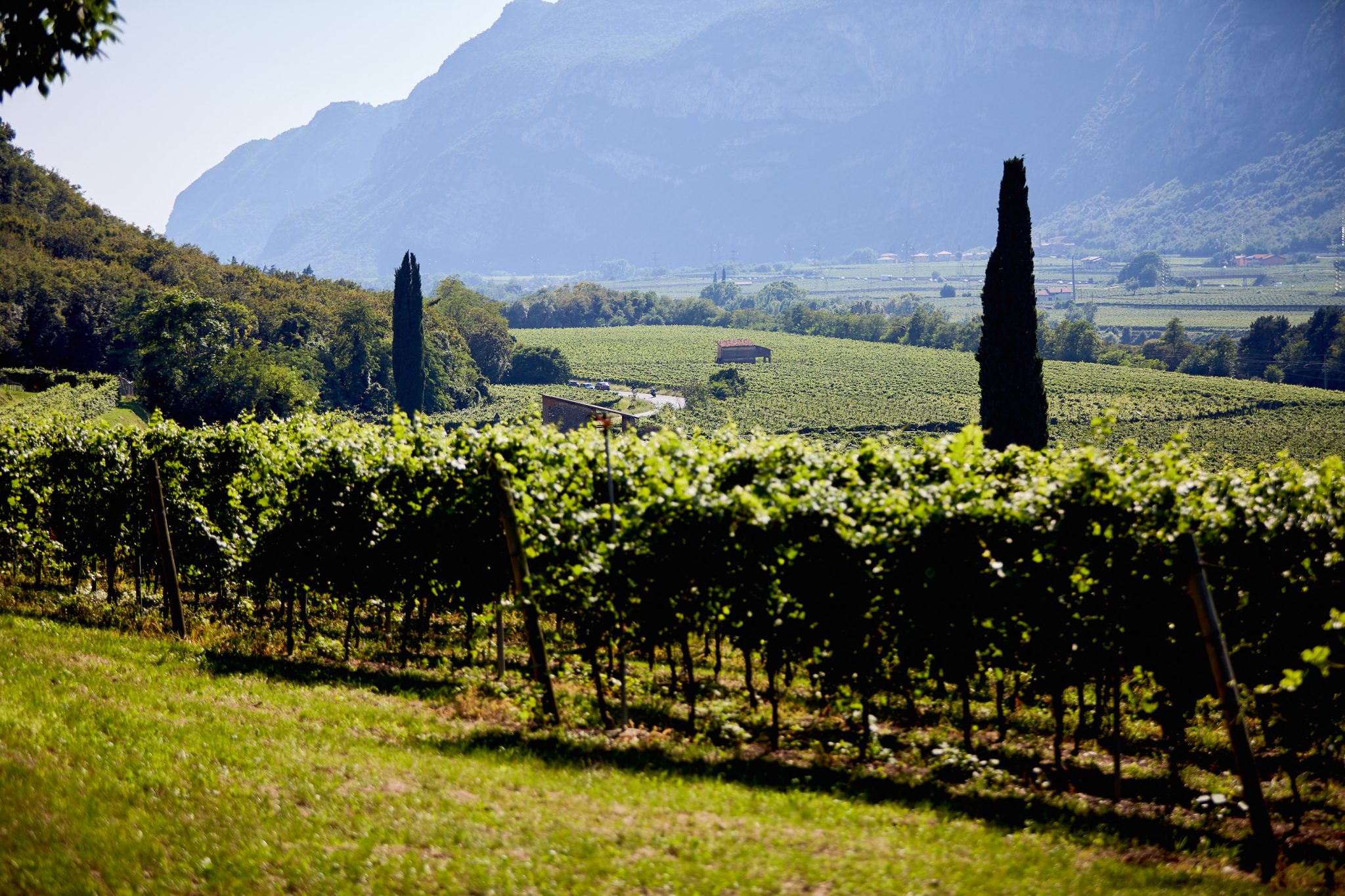
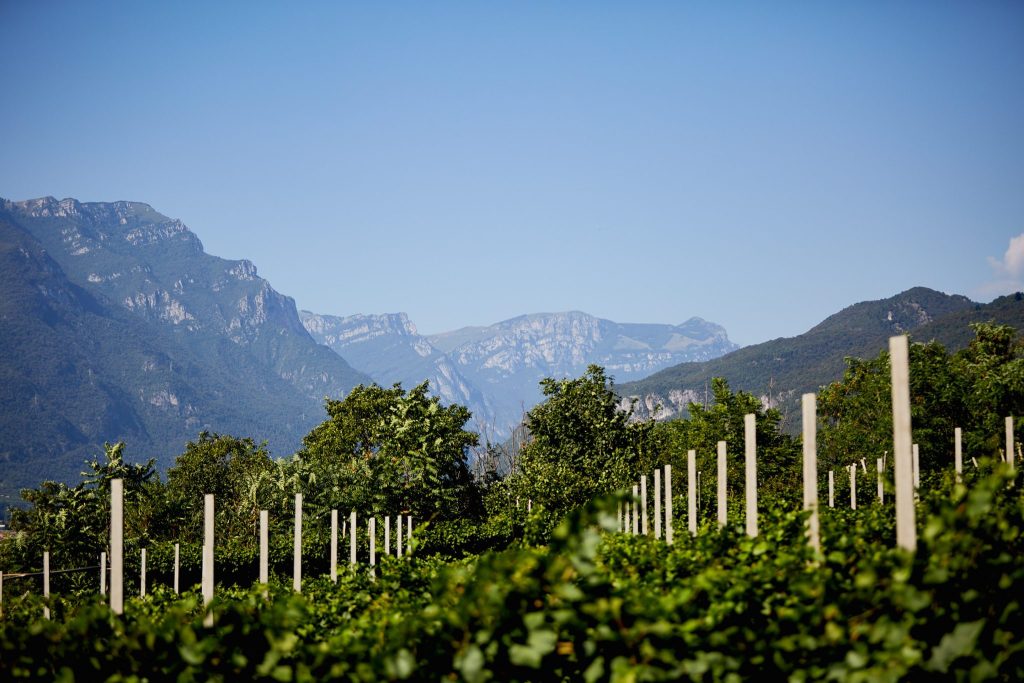
Friuli Venezia Giulia contributes 8,236 hectares to Pinot Grigio DOC Delle Venezie (roughly 30% of the appellation) and brings a character all its own to the denomination: stonier soils, wider skies, and a climate shaped by cold winds sweeping down toward the sea, carried in part by the Tagliamento and Livenza rivers that cut through the landscape.
Much of Friuli’s vineyard land sits on the Magredi, a distinctive gravelly plain deposited by ancient rivers, with pockets of marl and sandstone in the hillier zones further inland. This poor, mineral-rich ground forces vines to work harder for water and nutrients, concentrating flavour and adding a distinctive stony backbone to the wine: loose, well-draining soils that the denomination’s own tasting notes single out as ideal for Pinot Grigio.
Among the vineyards of Western Friuli, Cantina Ramuscello e San Vito crafts its Pinot Grigio Delle Venezie amid this stony landscape, while in the heart of the Friulian plain, La Delizia draws on the same open, wind-exposed terrain that defines the region’s identity.
Friuli Venezia Giulia is known for its exposure to cold, dry winds and wide diurnal temperature shifts, both of which slow ripening and protect acidity. Combined with abundant sunlight, the result is a Pinot Grigio with real structure: more textured and saline than fruit-forward, built for those who like their white wine with a bit of grip.
Look for pale gold in the glass with golden reflections, a nose of citrus pith, pear and a flinty, mineral note, and a palate that’s dry, saline and structured, with a long, stony finish. It’s Pinot Grigio for people who think the grape has more to say than it usually gets credit for.
Friuli Venezia Giulia’s reputation for stony, open terrain is not a modern marketing idea; it’s historical. Pliny the Elder described a wine called Pucinum, made near present-day Trieste, that was already prized by the Greeks for its quality. The region’s name itself traces back to Forum Julii, today’s Cividale del Friuli, founded in the Roman era and later home to one of the three wine schools (alongside Conegliano and San Michele all’Adige) that still train the oenologists working this corner of the Delle Venezie DOC.
Geologically, Friuli Venezia Giulia is where the Delle Venezie plain reaches its most dramatic edges: the pebbly Magredi plains give way eastward to the limestone Karst above Trieste, while rainfall increases from west to east, reaching up to 150mm a month in the pre-Alpine and upper Friuli areas during the wettest periods of May, October and November. That extra moisture, combined with well-drained gravelly soils, is part of what gives Friuli’s Pinot Grigio its characteristically open, mineral-edged character.
@dellevenezie
#PinotGrigioDOCDelleVenezie #DOCDelleVenezie